Wednesday, January 19, 2011

Landscapes (pg. 202-217)


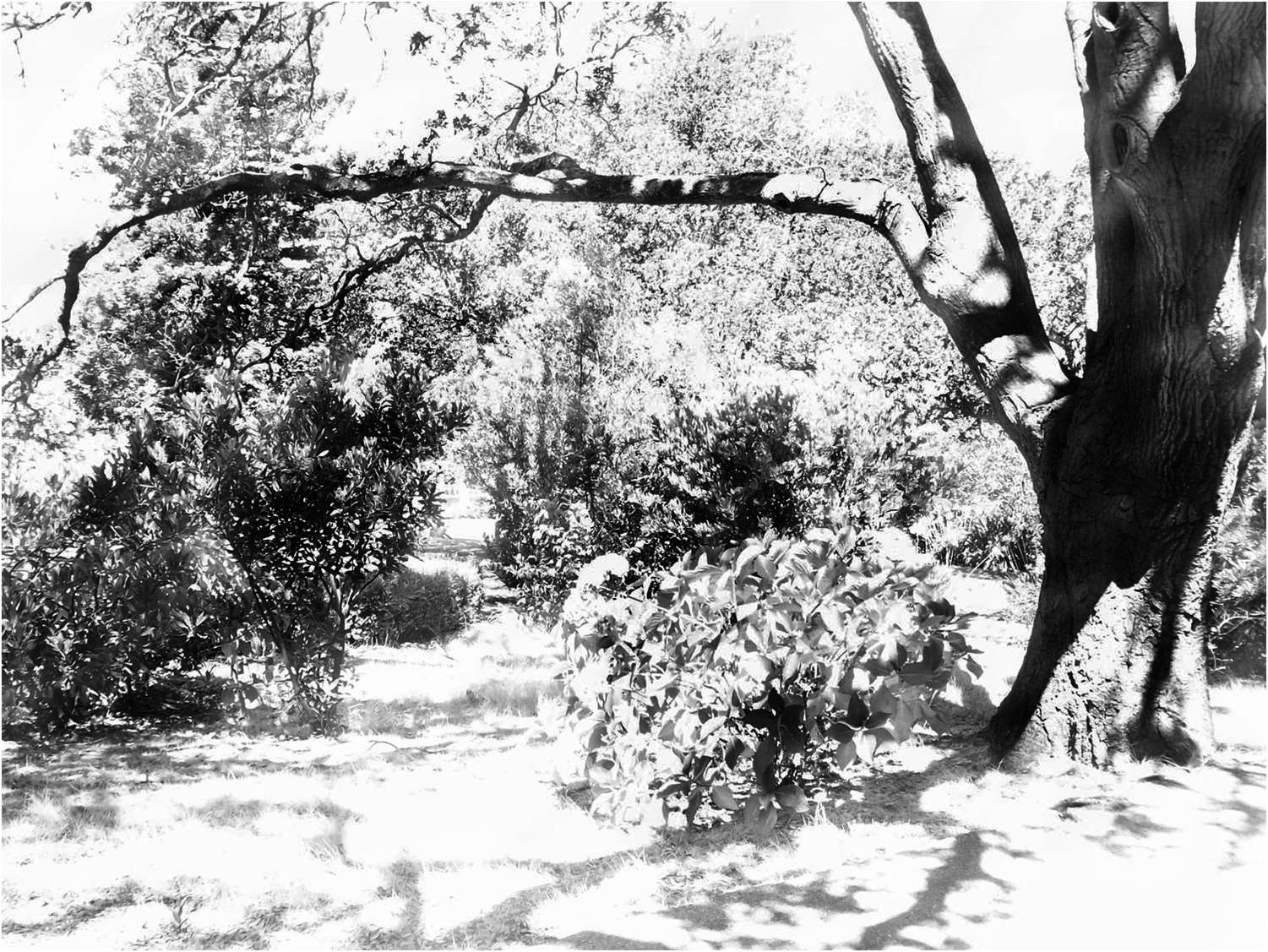
Landmarks in Landscape Photography

· Carletion E. Watkins (1829-1916)

o Wanted to capture the grandeur of the American West

o Learned photography in 1854

o Open his own gallery in 1858 in San Francisco

· Ansel Adams (1902-1984)

o Best known for his Black and Whites

o Primarily shot Yosemite National Park

o Born in San Francisco

o First camera was a Kodak Brownie

· Timothy O’Sullivan (1840-1882)

o Most well known for documenting the Civil War

o Provided the first photographs of the Grand Canyon, Death Valley and Colorado River

o Responsible for the “New Topographics” movement

§ A documentary approach to landscapes

§ Shunned the romanticism of Adams

§ Popular in the 60s and 70s

Photographing the Landscape

Thinking Artistically

· Composition is one of the most important aspects of landscape photography

· Viewpoint is most important of composition

· Pay attention to where you position the camera

· Explore all the variations when you set up a shot

· Go as high as you can then as low as you can

· Move the camera to the right and left

· Move closer and farther back

· Achieve a balance between unity and verity

Camera Settings

· Stop down a lens-f/16, f/22, f/32

· f/64 is usually the smallest f-stop

Light

· professional photographers do most of their work just after sunrise or just before sunset

o light is wonderful at these times

o angle of sun is low so shapes and textures are emphasized by side lighting

Film

· recorded as much information as possible

· use 100 ISO flim with 35mm

Lenses

· Wide-angle lenses

· Really close and distant objects in same shot

Filters

· Yellow brings out the clouds

· Red filter adds contrast

Camera Support

· Tripod

The Grand Landscape

· Big view for pictures of the outdoors

o National, stare, or city parks are great locations to explore landscape photography

Landscape Details and Close-ups

· Sunny days can be bad for the landscape photography

· Light meters are designed to create an exposure that makes medium or middle gray out of the scene being metered

Abstracted Elements in the Landscape

· Abstracted element

o Images composted of lines, shapes, values, and textures


Monday, January 10, 2011

Architecture and Urban Landscapes (190-197)

The Big View

· Wide angel over all view

· Image that shows you the whole building

· The closer you are to the image the picture will get more distortion

· Farther you are from the building will have less distortion

· Shooting from the side naturally creates a three-dimensional view of the building

Shadows

· Try and capture the objects shadow

o Pay attention to the lines, shapes, and value of the object

The Detail Shot

· The individual architectural elements of a buildings interior or exterior

o Door

o Set of steps

o Top of a column

o Carved ornaments

o Decorative brick work

Interior Views

· Wide angle lens

· Slow f-stop

Architecture and Urban Landscape (179-189)

Looking back

· 1840’s Charles Negre

o Began to use photography to create studies for his paintings.

o He used to paint, but then he turned to photography.

o He started to see photographs as an end in themselves.

· Federick H. Evans

o Photography made from the late 1890s and 1920s are filled with emotion and light.

o Advice from him to other photographers:

§ “Try for a record of emotion rather than a piece of topography.”

· Eugene Atget

o A former actor and sailor turned to photography in his late 1890s

o When in his 40s he was a self-taught photographer and used lenses that were considered old-fashion.

Photography the Built Environment

Think Artistically

· Can be a visual recording of a building’s appearance.

· Key Ideas

o Use the corner of a room or the curve of a walkway or stair you can use line to lead the viewers eyes through an architectural image.

o Vertical and horizontal lines at the edge of buildings

o Observe the space that surrounds the objects or buildings in your photograph.

§ Can reveal a great deal about its “personality”.

o Patterns

§ Bricks

§ Designs in a carpet

§ Wallpaper

§ Arraignment of windows

§ Helps by strengthen your photography.

· Camera Settings

o Small f-stop gives a greater depth of field

o Bigger format

o Bigger negative the better detail it will capture

o Slower film

· Film

o Color Films

§ Emphasize color and setting

o Black and white

§ Emphasize value, shapes and textures

· Lighting

o Color of lighting is important in interior architectural photography

· Lenses

o Wide-angel

§ More distraction you get

· Filters

o Black and white

§ Include sky and clouds

Chapter 8 Lecture Notes: Architecture and Urban Landscape

  • Take photos to make the viewer wonder what it is and where it is.
  • Indirect portraits
  • The materials, style and scale provide clues about who people were and what their lives were.
  • Use natural features to make the building look better or contrast with the nature.
  • Architecture is a perfect subject for photography because:
  1. it does not move
  2. the history
  3. different angels
  4. gives the viewer of a scenes that they are there
  5. designs of the architecture
  • Frederick H. Evans
  1. One of the greatest architecture photographers int eh history of architectural photography.
2. Worked primarily in platinum papers-platinum was used to make bombs.
3. Droped photography becuase he couldn't use the platinum papers.
  • How are value and repetition used to reinforce the perspective?
  1. find the architecture repetition and pattern.
  • Ezra Stoller
  1. Focused most on using line, shape and form with his photos.
  2. Originally an architecture but he liked photography more.
  • Thinking Artistically
  1. You can focus on the full-viewer of the space and emotions connected to it, like a portrait.
  2. Patterns-bricks, fabric, wall paper.

Thursday, January 6, 2011

American Photography Notes

1. Feb. 1, 1900 the first camera cam called the Brownie.
2. Jacob Reas- started to use photographs for his work to show what he does.
3. Paul Strand- 1915 used straight photography: doesn't change anything int he photo.
4.Pictures are used to attract attention in the news papers.
5. 1920- a photographer snapped a photo in the execution chamber of a woman who killed her husband. This got people's attention.
6. People would react different to photos then pictures.
7. Photography added a new dimension to fame. Anyone can become famous as long as they look good in pictures.
8. Invented a new school for photography which made the people in the photograph look really good and people would be amazed by the photos that were taken.
9. Space, like Pluto or stars, was all first seen on a photograph.
10.Photography changed the world.